Fairtrade is the world’s most recognized and trusted sustainability label globally. We change the way trade works through better prices, decent working conditions, and a fairer deal for coffee farmers and workers across the world. We work closely with Canadian businesses to help navigate supply chains, support on legislative compliance, build relationships with producers, and create meaningful change that protects the future of coffee farming.
What sustainability action or initiative have you undertaken that you are most proud of?
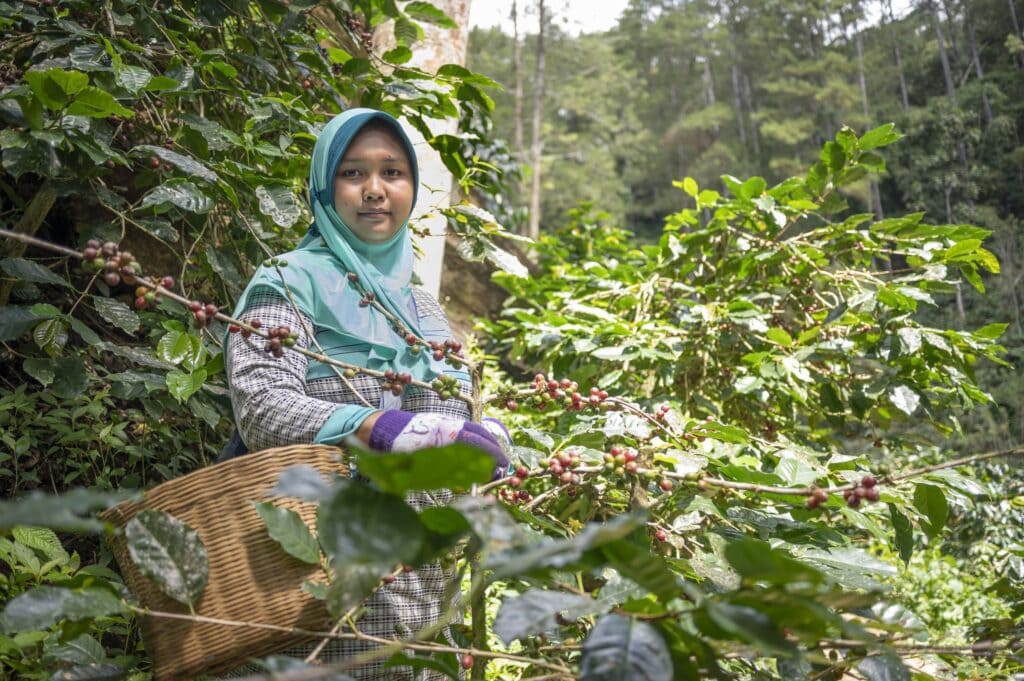
Fairtrade recently completed a comprehensive study on the Costs of Production (COSP) for coffee, using a newly developed template designed to better capture information from producers and those implementing biodiversity-friendly practices. We received over 600 responses from producers, exporters, importers, licensees, retailers, and other NGOs. The study confirmed that the cost of producing coffee varies significantly across countries and regions, with crop management, including harvest, fertilizer, and pruning, representing the single largest share of farmer expenses, followed by fixed costs and crop establishment.
Why was this initiative important for your team, organization or the coffee industry?
For the coffee sector to truly thrive, it is crucial to address the systemic poverty faced by many producers. The cost of production has soared over the past number of years, with increases to the cost of fertilizers and labour, not to mention costs related to implementing green initiatives which are usually born by the farmers themselves. The knock-on effects of poverty extend far beyond the farm, threatening forests, ecosystems, and the coffee sector itself.
A coffee sector built on poverty is a fragile one, and supply chain instability, crop abandonment, and producer attrition are risks that inevitably threaten business security. Understanding what it actually costs farmers to produce their coffee is critical data that allows us to make informed decisions around what fair payment to farmers looks like. Even in a volatile market, Fairtrade holds onto the principles of decent livelihoods, training, and decent working conditions for coffee farmers. Buying Fairtrade certified coffee helps to build resilient farming organizations and sustainable supply chains that benefit farmers, businesses, and consumers.
How does this initiative support your long-term business goals?
Addressing poverty is fundamental to our mission because we know that a stable, fairly compensated supply chain is a resilient one. Our approach is holistic by design, because poverty, environmental degradation, and human rights violations are not separate problems, and they cannot be solved separately.
With increased consumer scrutiny and growing demands from legislation in both Canada and globally, Fairtrade has the tools to support businesses in making supply chain decisions that are transparent and grounded in data. For example, we have developed an online “Risk Map” that allows companies and farmer organisations to assess and do due diligence on human rights and environmental risks. We want to help build a world where everyone across the supply chain benefits from quality products and enjoys quality of life.
Did any partnerships or collaborations help you move this work forward?
Fairtrade is 50 percent owned by farmers and workers, so they have an equal say in decision-making. 57 cooperatives and 225 farmers were part of the Cost of Production study. The people on the ground know best! Farmers have expert knowledge that is indispensable to us and to the future of the coffee industry. As we continue to review and update our standards and processes, we are working in collaboration with our three regional Producer Networks in Africa, Asia, and Latin America and the Caribbean, plus 25 national Fairtrade organizations, and FLOCERT, our third-party certifier.
What is one lesson or tip you can share with others in the coffee sector?
We know it’s a volatile time in the coffee market, but the outlook is favourable for Fairtrade certified coffee. Solid data from Nielsen show that in 2025, Fairtrade coffee was unmistakably outperforming the market in terms of both value (+32%) and volume (+17%). Even with higher prices, coffee consumers are still willing to pay for premium quality and ethical sourcing, and sustainability and climate change remain key concerns. 45% of Canadian coffee drinkers look for the Fairtrade Mark. It’s not a “nice to have,” it’s a competitive edge. So, there’s a strong business case to be made for doing the right thing.