
In 1964, the first Tim Hortons restaurant in Hamilton, Ontario opened its doors and Canadians
have been ordering Tim Hortons iconic Original Blend coffee, Double-Double™ coffees, Donuts
and Timbits® in the years since. For more than 60 years, Tim Hortons has captured the hearts
and taste buds of Canadians and has become synonymous with serving Canada's favourite
coffee. Tim Hortons is Canada's largest restaurant chain operating in the quick service industry
with nearly 4,000 restaurants across the country. More than a coffee and bake shop, Tim
Hortons is part of the Canadian fabric and guests can enjoy hot and cold specialty beverages –
including lattes, cappuccinos and espressos, teas and our famous Iced Capps® – alongside
delicious breakfast, sandwiches, wraps, soups and more. Tim Hortons has more than 6,000
restaurants in Canada, the United States and around the world.
Describe one recent sustainability action or initiative that your company has undertaken that you are most proud of.
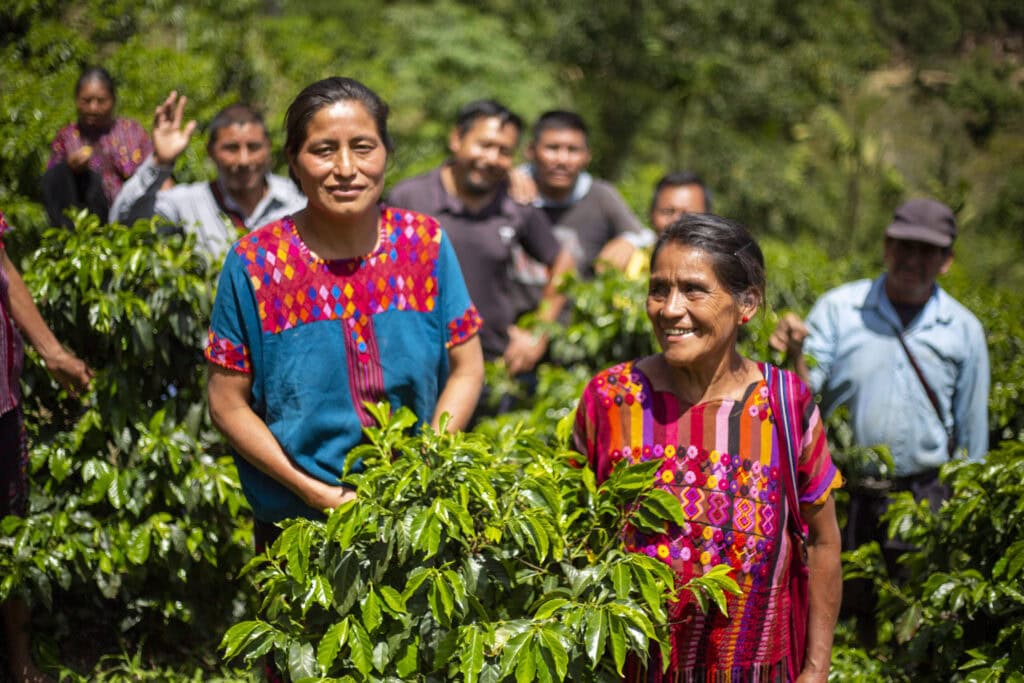
One initiative we're especially proud of is Coffee for Communities (CFC), a five-year partnership
with Global Affairs Canada and TFO Canada designed to transform the resilience and
prosperity of coffee-farming communities across 15 different projects in 6 countries and 3
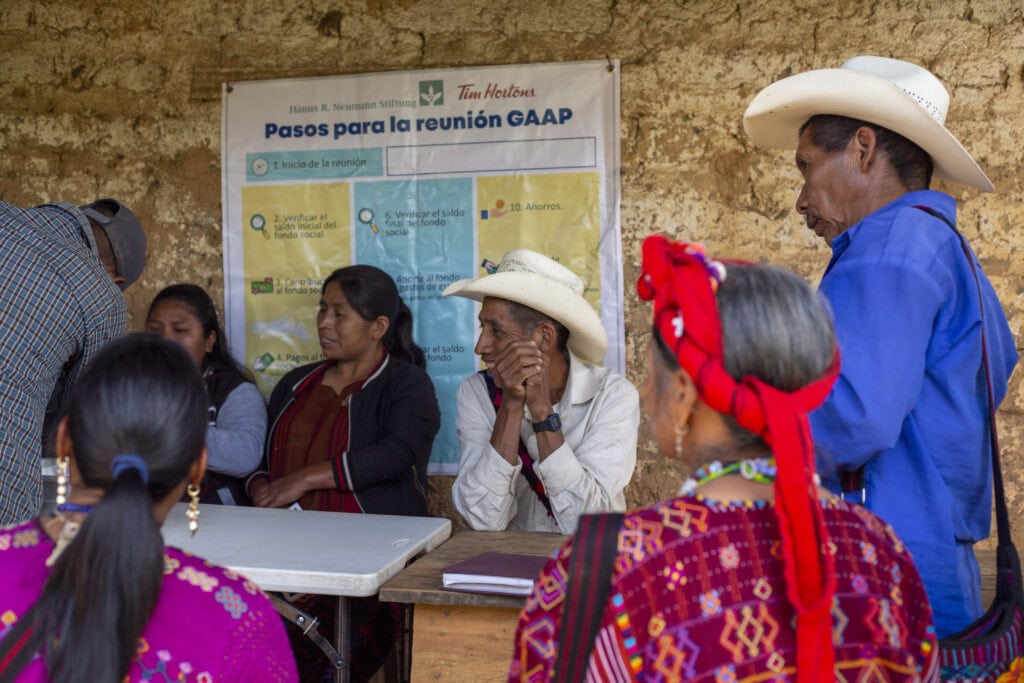
continents. Through hands-on training, community-led investment planning, and targeted
support for women and youth, CFC is helping smallholder coffee-farming families increase
productivity and profitability, adopt more sustainable agricultural practices, and build safer, fairer
and more inclusive working conditions. The project is expected to directly benefit over 56,000
coffee farmers, with more than 210,000 individuals benefiting indirectly from the ripple effects of
stronger, more resilient farming communities. For Tim Hortons, CFC is a powerful expression of
our belief that a thriving future for coffee starts at origin — with the families who grow it.
Why was this initiative important for your team, organization or the coffee industry?
Coffee for Communities matters because the long-term security of our coffee supply depends
directly on the wellbeing and resilience of the farming communities who grow it. Climate
volatility, aging farmer populations, and economic pressure at origin are challenges the entire
industry shares — and no single company can solve them alone. For us, this initiative reflects a
shift from short-term sourcing relationships toward long-term collaborative relationships and
investments in the people and communities behind our coffee. For the broader industry, it
demonstrates what's possible when a private company, government and technical partners align
around a shared goal: building a coffee sector where smallholder families, including women and
youth, can earn a living income and thrive for generations to come.
How does this initiative support your long-term business goals?
A resilient, sustainable coffee supply is fundamental to our long-term business success — we
can't guarantee a stable, high-quality supply of coffee if the communities who grow it are
struggling. Partnering with Global Affairs Canada and TFO Canada allows us to extend the
scale and impact of this work well beyond what we could achieve on our own, combining GAC's
international development resources, TFO Canada's technical and export-readiness expertise,
and our direct relationships and knowledge at origin. By investing in the productivity, profitability
and resilience of smallholder farming families now, we're helping secure the foundation of our
supply chain for decades to come. This collaboration also strengthens the trust and
relationships we build with origin partners, supporting our ability to source responsibly and
traceably as sustainability expectations continue to grow across the industry. Ultimately,
initiatives like Coffee for Communities reflect our commitment — together with partners like
GAC and TFO Canada — to building a coffee business that is not only profitable today, but
sustainable and resilient for generations of farmers, partners and guests to come.
How are you measuring progress or impact?
Coffee for Communities is guided by a results-based Monitoring, Evaluation and Learning
system, delivered in partnership with Enveritas. Through statistically rigorous farm-level surveys
conducted at baseline, midline and endline over the five-year project, we track real progress on
productivity, environmental practices, and safe and fair working conditions — including farmer
perception and knowledge retention, disaggregated by gender and age to ensure women and
youth are represented. This is complemented by our broader Responsibly Sourced Coffee
Verification System, also delivered with Enveritas, which independently verifies 100% of Tim
Hortons' coffee purchases annually. Together, these systems ensure our progress is evidence-
based, transparent, and accountable to the communities we work with.
Did any partnerships or collaborations help you move this work forward?
Coffee for Communities is, at its core, a public-private partnership — one that brings together
government, industry and communities around a shared goal. The initiative was born from the
collaboration between Tim Hortons and Global Affairs Canada, and TFO Canada, combining
public investment and international development expertise with our direct relationships and
knowledge at origin. This partnership extends further through private companies and NGOs —
who implement the project on the ground, bringing deep local knowledge and established trust
with coffee-farming communities. . Enveritas complements this work with independent,
evidence-based verification, ensuring accountability at every level. For us, this initiative shows
what's possible when the public and private sectors, together with local partners, align around a
shared vision for a more resilient coffee sector.
What is one lesson or tip you can share with others in the coffee sector?
One of the biggest lessons from Coffee for Communities is that sustainability doesn't have a
fixed formula. It's a path of continuous improvement — every coffee-growing region faces
different realities, challenges and opportunities, and no single company, government or NGO
has all the answers. Real, lasting impact comes from bringing different people and knowledge together around a shared goal. When governments, companies, NGOs and local communities
work together, the impact is much bigger than what any one of us could do alone. Our advice to
others in the coffee sector: don't look for the perfect model — find the right partners and commit
to the journey together.