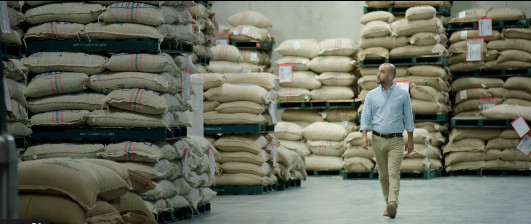
En tant que société certifiée B Corp depuis 2013, la mission et les valeurs de Reunion Coffee Roasters sont fondées sur le fait de rendre le café de spécialité durable et accessible à tous. Pour nos partenaires producteurs, cela signifie s'approvisionner en produits certifiés, notamment Fairtrade, Rainforest Alliance et Organic. Pour notre communauté internationale au sens large, nous finançons la plantation d'arbres, l'agriculture régénérative et les soins de santé pour les femmes. Pour notre communauté locale, nous nous efforçons de minimiser notre production de déchets et faisons des dons à des organisations locales.
Quelles sont les initiatives en matière de développement durable dont vous êtes le plus fier et quel impact ont-elles eu sur vos activités ?
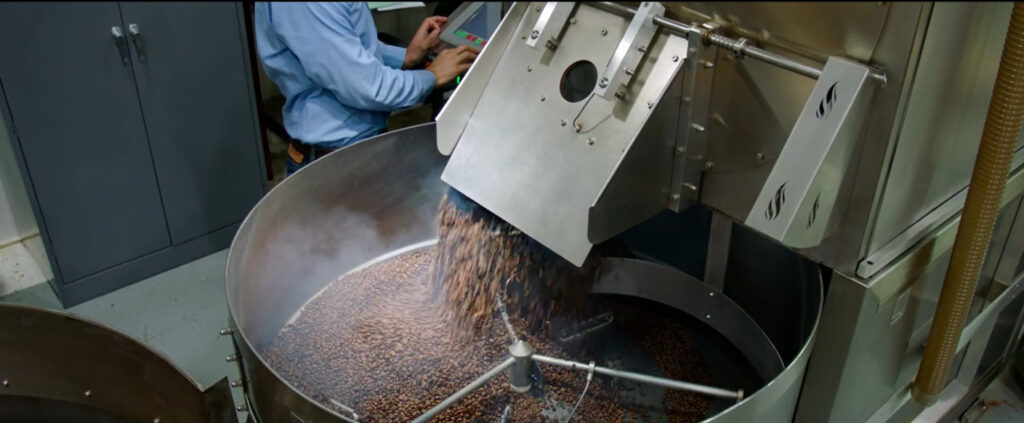
Dans le cadre de notre stratégie de réduction des émissions de carbone, nous avons entamé début 2024 un processus d'un an avec le ministère de l'environnement et Enviro-Stewards, un consultant en environnement, afin d'étudier nos activités et de mieux comprendre s'il existe une température plus appropriée pour faire fonctionner nos oxydateurs thermiques en fonction de nos activités et de nos installations spécifiques.
Les résultats ont montré qu'une température plus basse permettait en fait de détruire les composés organiques volatils nécessaires générés par le processus de torréfaction, sans conséquences négatives. En démontrant ces résultats dans le registre des activités et des secteurs environnementaux, Reunion Coffee Roasters a été autorisé par la province de l'Ontario à adapter ses opérations en conséquence. Reunion Coffee Roasters consomme désormais beaucoup moins de gaz naturel et émet donc moins d'émissions par kg de grains torréfiés. La réduction des coûts d'exploitation se traduit par une plus grande capacité à soutenir nos partenaires producteurs, et la réduction des émissions se traduit par une diminution de l'impact environnemental global sur nos communautés locales et mondiales.
Les membres du CAC peuvent Voir le livre blanc complet dans le portail des membres.
Pouvez-vous nous raconter l'histoire d'un agriculteur ou d'une communauté que votre entreprise soutient et qui vous a inspiré ?
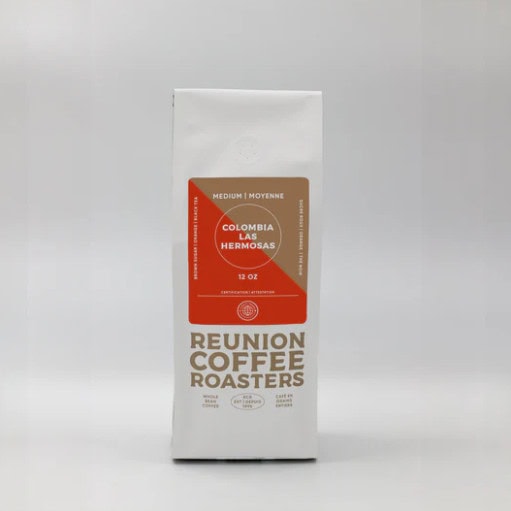
Depuis plus de 20 ans, La Réunion s'est associée à des communautés de producteurs de café en Colombie par le biais de notre programme Las Hermosas pour soutenir l'infrastructure et le développement communautaire. Des stations de lavage aux laboratoires d'informatique et de dégustation, en passant par les crèches et la protection de la nappe phréatique locale, les ventes des Las Hermosas de La Réunion en Colombie ont permis de répondre aux besoins spécifiques des communautés. Plus récemment, un soutien financier a été apporté à un programme d'éducation au café pour les jeunes. Un groupe de jeunes gens apprend à construire leur propre entreprise de café afin de pouvoir subvenir à leurs besoins, à ceux de leur famille et à ceux de leur communauté à long terme.
Bien qu'il existe de nombreuses façons de soutenir nos partenaires producteurs de café et leurs communautés, la Réunion est particulièrement passionnée par la nature du programme Las Hermosas, dirigé par les producteurs. Il n'est pas utile pour nos partenaires que La Réunion dicte la manière dont notre soutien financier doit être utilisé. Nous préférons donc écouter les besoins et y répondre du mieux que nous pouvons. Il est donc naturel que les producteurs guident la façon dont le soutien financier de Las Hermosas est utilisé au mieux. Nous pouvons tous apprendre de l'exemple qu'ils donnent. Par exemple, en 2018, la communauté a choisi de financer la protection d'une voie d'eau afin de garantir une source d'eau sûre et durable non seulement pour elle-même, mais aussi pour les autres communautés situées en aval, plutôt que de simplement prendre les fonds comme un deuxième paiement pour eux-mêmes, individuellement.
Quels sont, selon vous, les défis ou les possibilités qui permettraient au Canada de jouer un rôle de premier plan dans la production et la consommation durables de café ?
Alors que l'imprévisibilité des prix du café se prolonge, les consommateurs hésitent de plus en plus à investir dans des programmes et des pratiques de durabilité au niveau de l'exploitation par le biais de programmes de café certifié. Le coût supplémentaire du café certifié peut être de plus en plus difficile à justifier pour les consommateurs lorsque l'ensemble de leur panier d'achat coûte plus cher. Comme le dit Reunion Coffee Roasters, La volatilité des prix du café restera un défi pour les efforts de durabilité de l'industrie. C'est pourquoi les torréfacteurs doivent trouver de nouvelles possibilités, uniques et rentables, d'opérer de manière plus durable. En cherchant un moyen d'abaisser la température de notre postcombustion, nous avons fait exactement cela, et d'autres peuvent le faire aussi.